
0
No products in the cart.
Why You Should Take a CPR Class
“I probably learned more from you than any other instructor,and I’ve taken this training a lot.” — Jim E.
Why You Should Take a CPR Class
Cardiopulmonary resuscitation (CPR) is a life-saving technique that can be used to revive a person whose heart has stopped beating. Knowing how to perform CPR can mean the difference between life and death in an emergency situation. Taking a CPR class can prepare you to respond quickly and effectively in the event of a cardiac emergency. In this article, we will discuss why someone should take a CPR class, the benefits of CPR training, and what to expect during a CPR class.
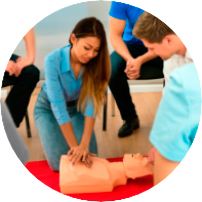
Table of content
The Importance of CPR Training
CPR is a critical skill that can save someone's life. It is especially important in situations where a person has suffered a cardiac arrest and their heart has stopped beating. According to the American Heart Association, approximately 475,000 Americans die from cardiac arrest each year. Many of these deaths could have been prevented if someone nearby had known how to perform CPR. Taking a CPR class can equip you with the knowledge and skills needed to respond in an emergency situation and potentially save a life.
Benefits of Taking a CPR Class
The primary benefit of taking a CPR class is that it can help you save lives. CPR is a powerful tool that can keep a person's blood circulating until professional medical help arrives. In fact, performing CPR within the first few minutes of cardiac arrest can double or even triple a person's chance of survival. By learning CPR, you can make a difference in the lives of those around you.
Increases Confidence
Knowing how to perform CPR can also boost your confidence in emergency situations. In a crisis, people often feel overwhelmed and unsure of what to do. By taking a CPR class, you can gain the confidence and skills needed to take action and potentially save a life. This can be particularly important for parents, caregivers, and anyone who works in a high-stress environment.
Improves Workplace Safety
Many workplaces require employees to have CPR training as part of their job requirements. This is particularly true for professions such as healthcare, childcare, and public safety. By taking a CPR class, you can ensure that you meet the necessary safety requirements for your job and protect yourself and your coworkers in the event of an emergency.
Enhances Health and Fitness
CPR training can also have a positive impact on your overall health and fitness. The hands-on nature of CPR requires physical strength and endurance, which can improve your cardiovascular health and muscle tone. Additionally, learning CPR can encourage healthy habits such as regular exercise, healthy eating, and stress management.
What to Expect During a CPR Class
CPR classes typically last between two and five hours and cover basic life-saving techniques. The classes are taught by certified instructors who will guide you through the course material and provide hands-on training.
Course Structure
CPR classes generally consist of a combination of lecture-style instruction and hands-on practice. The course material typically includes information on the anatomy of the heart and lungs, the signs and symptoms of cardiac arrest, and the proper techniques for performing CPR.
CPR Techniques
During the class, you will learn the proper techniques for performing CPR, including chest compressions and rescue breaths. You will also learn how to use an automated external defibrillator (AED), a device that can help restore a person's heart rhythm in the event of cardiac arrest.
Hands-On Practice
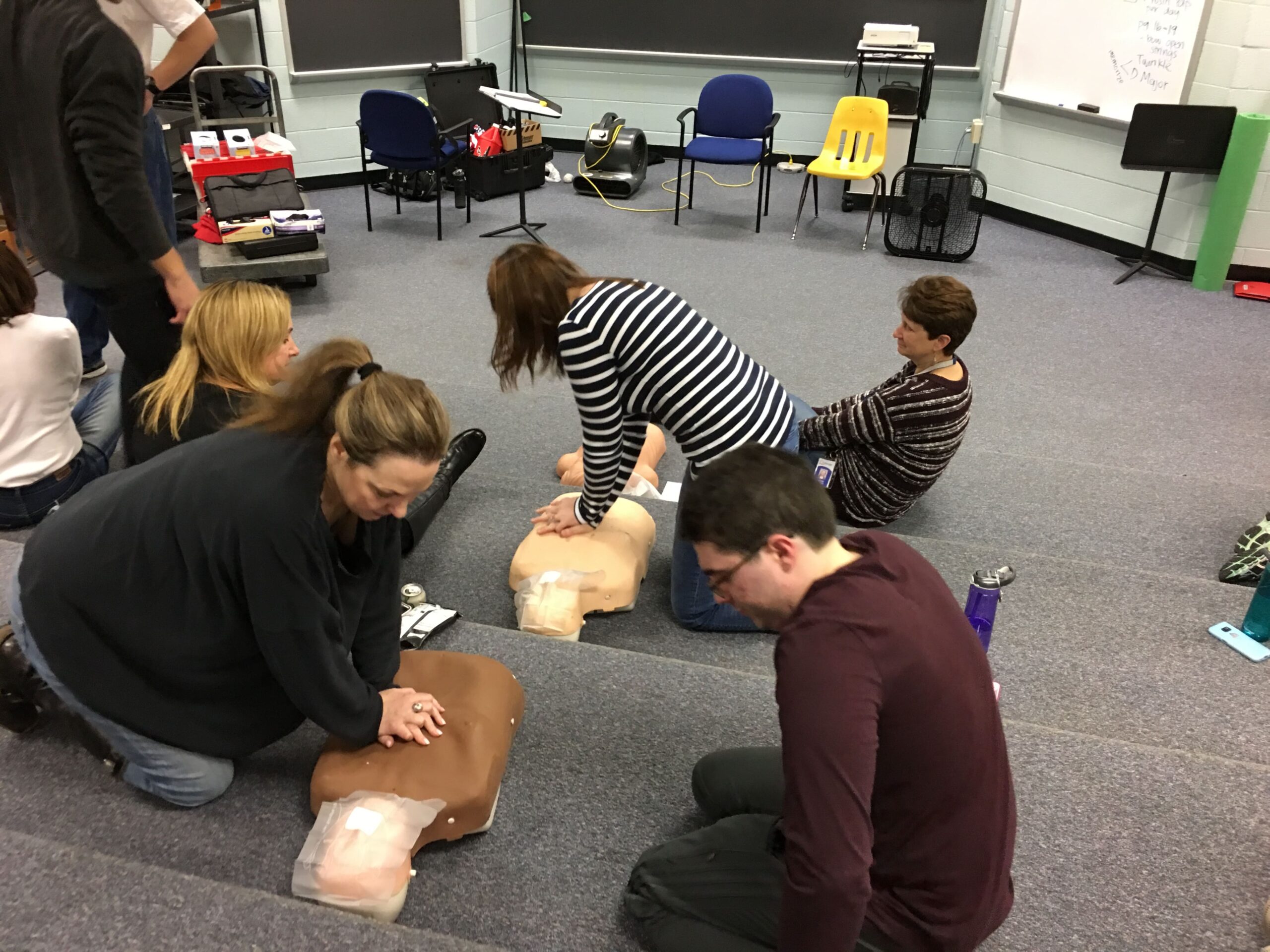
One of the most important aspects of a CPR class is the hands-on practice. Instructors will guide you through simulated cardiac arrest scenarios and provide feedback on your technique. This hands-on practice is crucial for building muscle memory and preparing you to respond quickly and confidently in a real emergency.
Conclusion
CPR is a life-saving technique that can make a difference in an emergency situation. Taking a CPR class can equip you with the skills and confidence needed to respond quickly and effectively in the event of a cardiac emergency. By learning CPR, you can help save lives, increase workplace safety, and improve your overall health and fitness.
FAQs
CPR classes usually last between two and five hours, depending on the course and the instructor.
Yes, many jobs such as healthcare, childcare, and public safety require CPR certification as part of their job requirements.
The success rate of CPR varies depending on the situation, but performing CPR within the first few minutes of cardiac arrest can double or even triple a person’s chance of survival.
Yes, anyone can learn CPR. CPR classes are designed for people with little to no medical training.
CPR certification typically lasts for two years, after which you will need to renew your certification through a refresher course.


CPF Medical believes that regardless of an individual’s financial situation, everyone should be equipped with the knowledge of how to save a life.
Contact Info
7000 Infantry Ridge Road, Manassas VA 20110
Mon - Sat: 8:30AM-6:00 PM
info@cpfmedical.org
Be a Sponsor
Sponsoring a course is a great way to offer medical courses at your location for your employees, members and the general public.
Copyright © 2025 Designed CPF Medical All Rights Reserved.